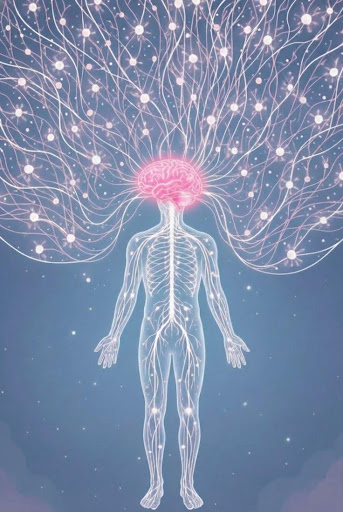
Chronic pain is not simply a signal from injured tissue—it is a complex neurological experience shaped by the brain, spinal cord, and lived experience. Modern neuroscience explains persistent pain through several key theories that challenge the idea that pain always reflects physical damage.
The gate control theory proposes that pain signals are regulated by a “gate” in the spinal cord before reaching the brain. Small nerve fibers that carry pain tend to open this gate, while larger fibers responsible for touch and pressure—and signals descending from the brain—can close it. As a result, pain signals can be amplified or dampened depending on how these gates are regulated, explaining why pain intensity varies even with similar injuries.
Many migraine and chronic pain treatments are based on gate control theory. These approaches stimulate non-painful sensory nerves to reduce pain transmission by “closing the gate.” Examples include vagus nerve stimulation, TENS units, massage, and cold or heat therapy, all of which overwhelm pain pathways with non-noxious input.
The biopsychosocial model frames chronic pain as the interaction of biological, psychological, and social factors. Inflammation, nerve injury, and genetics interact with stress, anxiety, depression, and social context to shape pain perception. This model highlights why chronic pain often requires interdisciplinary and holistic treatment rather than medication alone.
In central sensitization, the brain and spinal cord become hypersensitive, remaining in a state of heightened excitability. This leads to amplified pain signals and pain that can occur without clear stimuli. Because this process reflects maladaptive neural plasticity, treatment often focuses on retraining the nervous system—most notably through cognitive behavioral therapy (CBT).
Together, these theories show that chronic pain is an active output of the nervous system, not just a response to injury. Understanding the neuroscience behind pain shifts treatment toward modulation, retraining, and holistic care.
Categories: Blog
Website by Morweb.org
Copyright 2021